
 Finasteride 101: Dosing, Timing, and Effectiveness
Understanding Finasteride Mechanism: Dht Suppression and Regrowth
Imagine the tiny enzyme in a mirror: 5α‑reductase converts testosterone into DHT, the driver behind follicle shrinking. Finasteride quietly blocks that enzyme, lowering scalp DHT and stabilizing hair. For many, this halts visible progression and creates conditions for regrowth when follicles are still viable. Typical dosing reduces DHT by roughly 60–70%, removing the hormonal trigger that miniaturizes follicles.
Results depend on follicle health and time: suppressed DHT can allow vellus hairs to thicken over months rather than days.
| Action | Effect |
|---|---|
| 5α‑reductase inhibition | Lower DHT, follicle recovery |
Think of treatment as a long game: early use yields the best chance of reversal, and consistent suppression maintains gains. Expect gradual thickening; consult a clinician to track progress and weigh risks. Track results regularly.
Recommended Dosing: Daily Amounts, Generics Versus Branded

Most clinicians prescribe a single 1 mg tablet of finasteride once daily for male-pattern hair loss; consistency matters more than timing. The branded product propecia and its generic equivalents contain the same active ingredient at this dose, so efficacy is comparable. Higher doses are for BPH and require clinician guidance.
Generics usually cost less and increase access, but choose reputable pharmacies to avoid counterfeit or substandard pills. Take the tablet at about the same time each day, with or without food, and don’t alter your dose without medical advice. Discuss reproductive plans and risks with your clinician, since finasteride can affect a male fetus and isn’t recommended for women trying to conceive. Ask your doctor.
Timing and Adherence: When to Start, Consistent Daily Use
Starting finasteride often marks a hopeful moment, patients typically begin when hair loss is noticeable but before extensive thinning. Early treatment often yields better preservation of follicles.
Daily dosing is crucial; whether taking generic finasteride or brand name propecia, the steady suppression of DHT requires consistent intake to maintain effect. Consistent use helps prevent disease progression.
Skipping doses delays benefits and may reduce overall response, so integrating the pill into a routine at the same time each day improves adherence. Set reminders or pair with routines.
Clinicians recommend ongoing use for months to assess response; stopping reverses benefits as DHT activity returns, so consider long-term plans with your provider. Discuss duration and goals during follow-up.
Expected Timeline: Milestones for Results and Realistic Expectations
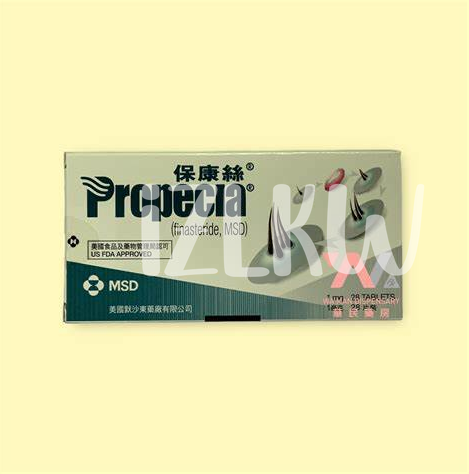
Starting finasteride feels like slow gardening: the first visible change often is reduced shedding after about two to three months, with subtle thickening by month six. Clinical trials and long-term users of propecia report that most measurable improvements appear between six and twelve months. Early progress may be variable — some notice regrowth sooner, others only stabilization. Patience matters because DHT suppression sets the stage before new hair becomes obvious.
Expect incremental milestones: reduced shedding at 3 months, perceptible density gains at 6–9 months, and peak benefit by 12 months. If no response after a year, clinicians reassess dosing, adherence, or combinational therapy. Stopping finasteride typically reverses effects within months, so ongoing use is required for maintenance. Track photos and scalp checks to judge progress objectively and consult your provider before changing treatment. Realistic expectations prevent frustration and support adherence.
Side Effects and Sexual Health: Risks, Reversibility, Statistics
Many men starting propecia notice small changes: lowered libido, weaker erections, or reduced ejaculate. Clinical trials report sexual side effects in roughly 2–4% of users, though observational studies suggest higher rates. Most effects emerge early and are mild, reassuring but worth tracking with your clinician.
Stopping usually reverses symptoms within weeks to months, yet rare persistent complaints have led to debate and careful monitoring. Discuss risks, baseline sexual function, and alternatives with a prescriber; combining treatments or adjusting dose can mitigate issues while preserving benefits for hair retention and confidence.
| Effect | Approx. Rate |
|---|---|
| Sexual (libido/erection) | 2–4% |
Monitoring, Stopping, and Combining Therapies Safely
Think of treatment as a team effort: routine visits let you and your provider compare photos, review symptoms, and order basic labs when needed. Early detection of adverse effects makes management simpler and outcomes clearer.
If stopping is considered, tapering discussions are important; abrupt cessation can reverse benefits over months. Plan for follow-up visits and symptom tracking to document changes and decide whether to restart or try alternative approaches.
Combining therapies—topicals, low-level laser, or PRP—can enhance response but raises interactions and cost considerations. Coordinate treatments with your clinician to sequence therapies safely and monitor cumulative effects on scalp health.
Keep a simple journal: date treatments, side effects, sexual function, and photos. Clear communication ensures informed choices and reduces anxiety, helping you navigate benefits and risks with confidence and practical support. Ask about long-term data and resources for emotional support available.