
 Lariam Myths Debunked: Separating Fact from Fiction
Origins and Uses: Why Lariam Was Prescribed
On deployment to tropical regions, doctors turned to Lariam as a practical defense against malaria. Developed in the 1970s, mefloquine's long half-life allowed weekly dosing, making compliance easier than daily pills. For travelers and military personnel facing chloroquine-resistant Plasmodium falciparum, it offered a reliable option backed by clinical trials and public health use with worldwide experience.
Clinicians considered risk versus benefit: effectiveness at preventing severe disease weighed against known side effects. Early adoption reflected limited alternatives and strong efficacy data, not ignorance. Over time, prescribing narrowed as newer antimalarials and tailored recommendations emerged, but the original rationale—preventing life-threatening infection in high-risk settings—remains clear in historical practice and public health policy.
| Drug | Use |
|---|---|
| Lariam | Malaria prevention |
Debunking Neuropsychiatric Claims: What's Proven, What's Not
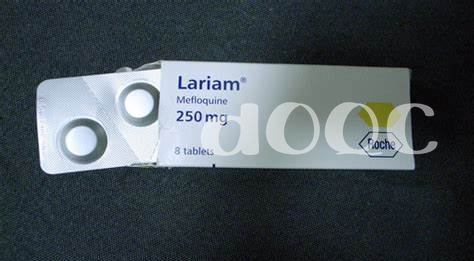
Stories of terrifying mood swings and psychosis from lariam circulated widely, but careful studies show most users experience mild, transient symptoms like vivid dreams, anxiety, or insomnia. Severe psychiatric events are documented but uncommon, often occurring in people with prior mental-health conditions or when other factors—illness, sleep deprivation, or drug interactions—are present.
Regulators and large cohort studies have not confirmed a widespread causal link between lariam and permanent brain injury. Most evidence points to reversible effects; randomized trials and pharmacovigilance data suggest the signal for permanent neurotoxicity is weak, though surveillance continues, especially in vulnerable populations.
Practical takeaways: disclose psychiatric history before treatment, monitor mood and sleep during prophylaxis, and consider alternatives when risk factors exist. Clear communication, prompt evaluation of troubling symptoms, and balanced interpretation of anecdote versus data turn alarmist tales into manageable clinical decisions in practice.
Long-term Brain Damage: Evidence Versus Viral Anecdotes
Stories of lasting harm grab attention, but isolated reports don't equal proof; epidemiological studies of lariam users show no consistent signal of permanent brain injury.
Clinical trials and follow-ups report transient neuropsychiatric symptoms in a minority, yet large-scale data fail to confirm widespread, irreversible damage. Imaging and cognitive testing usually normalize after discontinuation. Rare, severe events are documented but causality remains unproven and extremely uncommon overall worldwide.
Context matters: preexisting conditions, psychiatric history and reporting bias complicate anecdotes. Discuss risks with clinicians, document symptoms, and consider alternatives when concerns persist.
Side Effects Explained: Common, Rare, and Manageable

On deployment, some soldiers feared lariam after dramatic stories spread; clinicians reassured them that most reactions are predictable and monitored closely and promptly treated.
Common side effects include nausea, vivid dreams, dizziness and sleep disturbance; they usually resolve after stopping the drug or adjusting timing doses.
Rarely, more serious reactions like seizures or severe psychiatric symptoms occur; these are uncommon and prompt medical evaluation is essential for care.
Discussing history, alternatives and monitoring plans with clinicians helps manage risks; many tolerate lariam well when informed and followed with regular check-ups.
Who Should Avoid Lariam: Contraindications and Alternatives
Imagine packing for a tropical adventure and reading the small print: lariam can be lifesaving but isn’t right for everyone. People with a history of depression, psychosis, or other psychiatric illnesses, and anyone who has had seizures should avoid it; so should those with certain heart rhythm problems or a prior severe reaction to mefloquine. Pregnant women and infants are often steered toward alternatives, and elderly travelers with multiple medications.
Discuss options early with a clinician: safer choices like doxycycline, atovaquone-proguanil, or tafenoquine are commonly used depending on destination, pregnancy status, and drug interactions. For those unable to take oral agents, non-drug precautions—bed nets, repellents, prompt treatment—become critical. Records of prior adverse events help tailor choices; a travel medicine specialist can map risk, match alternatives, and reassure nervous travelers about effective, evidence-based protection and provide written plans for follow-up care.
| Contraindication | Common Alternatives |
|---|---|
| Psychiatric disorders, seizure history, certain heart conditions, prior severe mefloquine reaction | doxycycline; atovaquone-proguanil; tafenoquine (where appropriate) |
Choosing Antimalarials: Comparing Lariam with Safer Options
Travelers and clinicians often weigh risks when choosing malaria prevention. Lariam offered weekly dosing and efficacy against resistant strains, but reports of side effects shifted focus toward alternatives with clearer safety records and monitoring requirements.
Mefloquine’s neuropsychiatric profile drove development of doxycycline, atovaquone proguanil, and chloroquine combinations. Each offers tradeoffs: daily dosing, cost, or regional resistance; yet their adverse effect patterns are better characterized and often manageable with proper counseling.
Clinicians personalize choices using travel destination, malaria species, pregnancy status, and patient history. For those with psychiatric history, alternatives to mefloquine are preferred. Shared decision making balances efficacy, side effects, and adherence including monitoring needs.
Public health guidance favors agents with robust safety data and manageable side effects for mass prophylaxis. Vaccination and vector control remain essential complements. Ultimately, informed travelers and providers can choose safer, effective regimens together today.