
 Clomid Vs Letrozole: Choosing the Right Medication
How Each Drug Works: Mechanisms and Differences
Imagine two paths to the same goal: coaxing an ovary to release an egg. Clomiphene (Clomid) acts like a decoy estrogen, binding hypothalamic receptors so the brain senses low estrogen and ramps up GnRH, driving FSH and LH rises that stimulate follicle growth. Letrozole takes a different route: it blocks aromatase, cutting estrogen production so feedback inhibition falls and FSH rises more physiologically, often producing a single dominant follicle with a shorter systemic estrogen effect.
Those mechanistic contrasts explain clinical differences: Clomid’s longer receptor blockade can thin endometrium and alter cervical mucus, sometimes reducing implantation, while letrozole’s transient estrogen suppression tends to preserve lining quality. Clomid may provoke more multifollicular development; letrozole often yields fewer follicles and lower multiple pregnancy risk. Choice depends on ovulatory profile and prior response, so clinicians tailor selection to hormonal patterns and reproductive goals carefully.
Effectiveness for Ovulation: Success Rates Compared
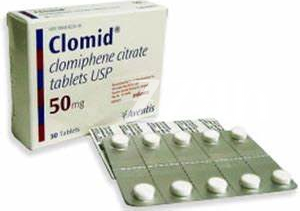
Clinicians and patients often recount the first cycle that succeeded, sometimes with clomid and sometimes with letrozole. Trials and meta-analyses generally show letrozole yields higher ovulation and live birth rates than clomiphene in women with polycystic ovarian syndrome. Both drugs can induce ovulation for other causes of anovulation. Response varies with age ovarian reserve body mass index and the underlying diagnosis which shape cycle likelihood and prior treatment history patterns.
In clinic practice choices reflect diagnosis past responses and tolerance. For women with PCOS most guidelines now favor letrozole as first line because of better live birth outcomes although clomid remains useful when letrozole is not tolerated or unavailable. Nonresponders may move to combination therapy or gonadotropins with close monitoring. Shared decision making that considers patient priorities, cost and access produces the most practical path toward pregnancy and emotional support.
Side Effects, Risks, and Long Term Considerations
Women taking clomid often notice hot flashes, mood swings, and breast tenderness; some experience bloating or ovarian enlargement that resolves after stopping treatment. Visual disturbances are uncommon but should prompt immediate evaluation.
The medication slightly raises the chance of twin pregnancies and, rarely, ovarian hyperstimulation; long-term birth-defect rates do not appear increased in large studies, though data beyond several cycles are limited. Repeated high-dose use warrants caution and specialist oversight.
Deciding to use this drug involves balancing effectiveness with these risks: start with the lowest effective dose, monitor with ultrasound and estradiol when indicated, and discuss plans for cycle limits and follow-up to ensure safety. Also consider fertility preservation discussions where appropriate with your provider.
Which Patients Benefit Most: Personalized Treatment Factors
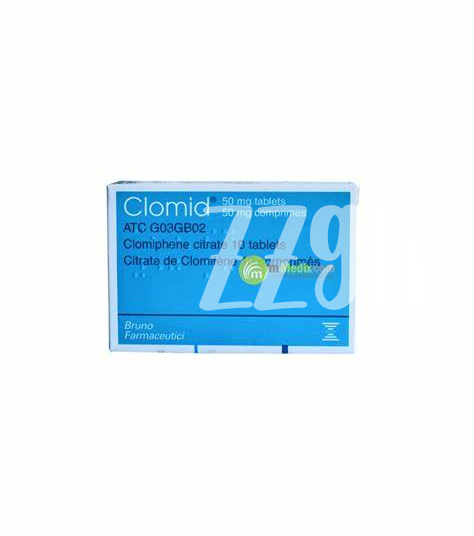
In the clinic story, providers assess age, cycle regularity, and ovarian reserve to personalize therapy, balancing likelihoods and preferences.
Clomid often suits patients with unexplained infertility or mild ovulatory issues; clinicians consider prior pregnancies, response to medication, and treatment goals.
Those with higher BMI or PCOS may respond better to aromatase inhibitors; personalized trials and ultrasound monitoring guide next steps and fertility outcome tracking.
Past drug exposure, contraindications, and pregnancy priorities shape choice; shared decision-making ensures the treatment matches values and realistic expectations while optimizing monitoring plans.
Practical Dosing, Timing, and Monitoring Tips
A clear plan makes dosing less daunting: many clinicians start with a low dose and adjust based on response, so discuss a baseline protocol with your provider. For clomid the common starting dose is 50 mg daily for five days beginning on cycle day 3–5, with escalation to 100–150 mg if ovulation is not achieved. Take pills at the same time daily, note side effects, and avoid extended cycles beyond three to six attempts without re-evaluation.
Track ovulation using home kits, basal-body-temperature charts, or ultrasound monitoring when available; blood tests for progesterone confirm ovulation. Communicate promptly about mood shifts or visual changes that may require stopping therapy. If conception doesn’t occur after several cycles, ask about alternative agents, dose adjustments, or referral for fertility testing. Keep a calendar, medication lists for visits, and ensure discussions about risks and next steps.
| Medication | Typical Start | Monitoring |
|---|---|---|
| Clomid | 50 mg days 3–7 | Ovulation kits, progesterone |
Cost, Accessibility, and Insurance Coverage Differences
When couples weigh choices, the bill often feels as real as the biology. Generic options for one drug can make it far cheaper at the pharmacy, while the other may still cost more unless a generic is available.
Availability varies by region; some clinics stock one medication routinely, so quicker starts and fewer pharmacy trips can matter. Rural patients may face delays or need mail-order services.
Insurance coverage is inconsistent: some plans require prior authorization, step therapy, or list one medication preferred. Patients should verify formulary status to avoid surprise out-of-pocket charges.
Discussing finances with your clinician or pharmacist lets you balance effectiveness, convenience, and budget—often revealing affordable pathways like coupons, patient assistance, or alternatives.