
 Cipro Resistance: Antibiotic Stewardship Explained
How Cipro Works and Why Resistance Emerges
In the clinic a single pill can feel like a miracle: it binds bacterial enzymes that untwist DNA, halting replication and killing many common pathogens. Ciprofloxacin’s rapid action made it a go-to for urinary and respiratory infections, prized for oral dosing and broad activity across Gram-negative bacteria.
But bacteria evolve quickly: point mutations change target enzymes (gyrA, parC), plasmid-borne qnr genes shield targets, and efflux pumps or reduced membrane permeability eject or prevent drug entry. Each exposure selects survivors, so incomplete courses and unnecessary prescriptions accelerate the rise of resistant strains in hospitals and communities.
Failures force clinicians to use broader-spectrum agents, increasing side effects and driving further resistance; patients suffer longer, costlier recoveries. Combatting this requires smarter prescribing, rapid diagnostics to target therapy, patient education on adherence, and stewardship programs that preserve ciprofloxacin’s effectiveness for future patients worldwide urgently.
| Action | Resistance |
|---|---|
| Inhibits DNA gyrase/topoisomerase | gyrA/parC mutations |
| Enters via porins | Reduced permeability, efflux pumps |
| Broad oral activity | Plasmid qnr genes, enzymatic protection |
Clinical Impact: When Cipro Failure Harms Patients
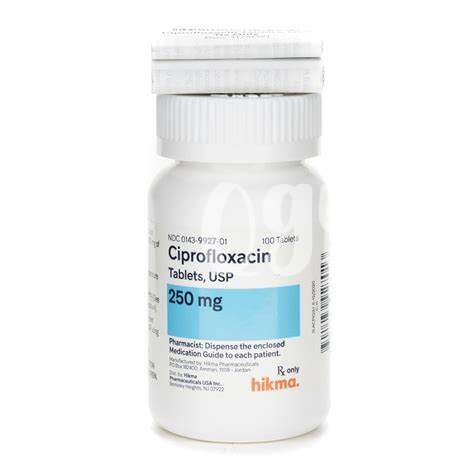
A middle aged patient with a urinary tract infection watched fever persist after therapy failed. Clinicians hoped cipro would work, but resistance left limited options and the illness escalated, requiring hospitalization and broader spectrum drugs.
When cipro fails, infections can progress to sepsis, prolonged illness, or organ damage. Vulnerable patients face higher mortality. Treatment then requires intravenous, broader agents that are costlier, more toxic, and extend hospital stays and recovery.
Beyond immediate harm, cipro failure disrupts care pathways: surgeries may be postponed, diagnostic uncertainty grows, and empirical choices become riskier. Hospitals absorb costs for isolation, longer stays, and intensive monitoring of complicated courses and care.
Patients tell stories of missed work, fractured trust, and anxiety when cipro fails; these human costs drive urgency for stewardship. Clear communication, rapid diagnostics, and judicious prescribing protect individuals and slow resistance at population level.
Drivers of Resistance: Misuse, Overuse, Agricultural Spread
Small mistakes in prescribing and patient behavior create powerful selection pressure; stopping antibiotics early or using them for viral illnesses trains microbes to survive and encourage genetic exchange among bacteria.
Broad, repeated courses in hospitals and communities amplify resistant strains, making previously reliable drugs less effective and increase hospital outbreaks.
Widespread use in livestock spreads resistant bacteria through food and environment, creating reservoirs that re-enter human populations and contaminate watercourses widely.
When cipro no longer clears infections, clinicians face limited options; stewardship, education and reduced agricultural uses slow this trend.
Diagnostics and Surveillance: Detecting Cipro Resistance Early

In hospital labs, clinicians race to trace why a trusted antibiotic fails; rapid molecular assays and improved culture techniques reveal resistance genes and minimum inhibitory concentrations faster than before. Early detection turns isolated treatment failure into actionable data, steering clinicians toward effective alternatives more quickly.
Public health surveillance stitches lab reports into patterns: clusters of resistant isolates, geographic hotspots, and rising prevalence rates. Sequencing and data sharing platforms allow epidemiologists to map cipro resistance spread across communities and farms, prompting targeted interventions before outbreaks widen and informing stewardship policies quickly.
At the clinical frontlines, point of care diagnostics and automated alerts translate surveillance signals into bedside decisions, reducing unnecessary cipro use. Timely lab feedback educates prescribers, closes the loop on treatment outcomes, and strengthens antibiotic stewardship so resistance trends can be blunted before they imperil vulnerable patients and save lives.
Stewardship Strategies: Prescribing Smarter, Reducing Unnecessary Use
A clinic story: a patient expects cipro for a routine infection, but a clinician chooses targeted testing and narrow therapy instead, explaining risks. That moment captures why smarter prescribing matters.
Practical steps include delayed prescriptions, clear guidelines, and decision-support tools integrated into workflow. Education, local antibiograms, and rapid diagnostics help avoid unnecessary broad agents.
| Action | Benefit |
|---|---|
| Delayed prescribing | Reduces unnecessary antibiotic use |
| Narrow-spectrum choice | Preserves cipro efficacy |
| Audit and feedback | Improves prescribing behavior |
Clinicians, pharmacists, and patients share responsibility: monitor outcomes, report resistance patterns, and prioritize prevention. Policies that restrict over-the-counter supply and incentivize stewardship make it easier to protect current drugs and ensure cipro remains a reliable option when truly needed for future generations.
Future Outlook: New Drugs, Policies, and Global Cooperation
New therapeutic candidates are emerging, from modified fluoroquinolones to bacteriophage cocktails, offering hope against stubborn infections. Early trials show promise, but broader testing is essential and global collaboration.
Policy shifts can incentivize antibiotic research and ensure responsible access. Push-and-pull funding, faster approval pathways, and reimbursement reforms encourage innovation while guarding public health priorities in low-income settings equitably.
Surveillance networks must expand, linking hospitals, labs, and communities to spot resistance trends sooner. Real-time data feeds and open reporting enable targeted interventions and smarter resource allocation globally coordinated.
Education and stewardship empower clinicians and patients to preserve current drugs. Community outreach, diagnostics access, and incentives for judicious prescribing can slow resistance and protect future generations right now.